How much does an epoxy garage floor cost in the Bay Area?
A standard two-car garage in flake typically runs in the low
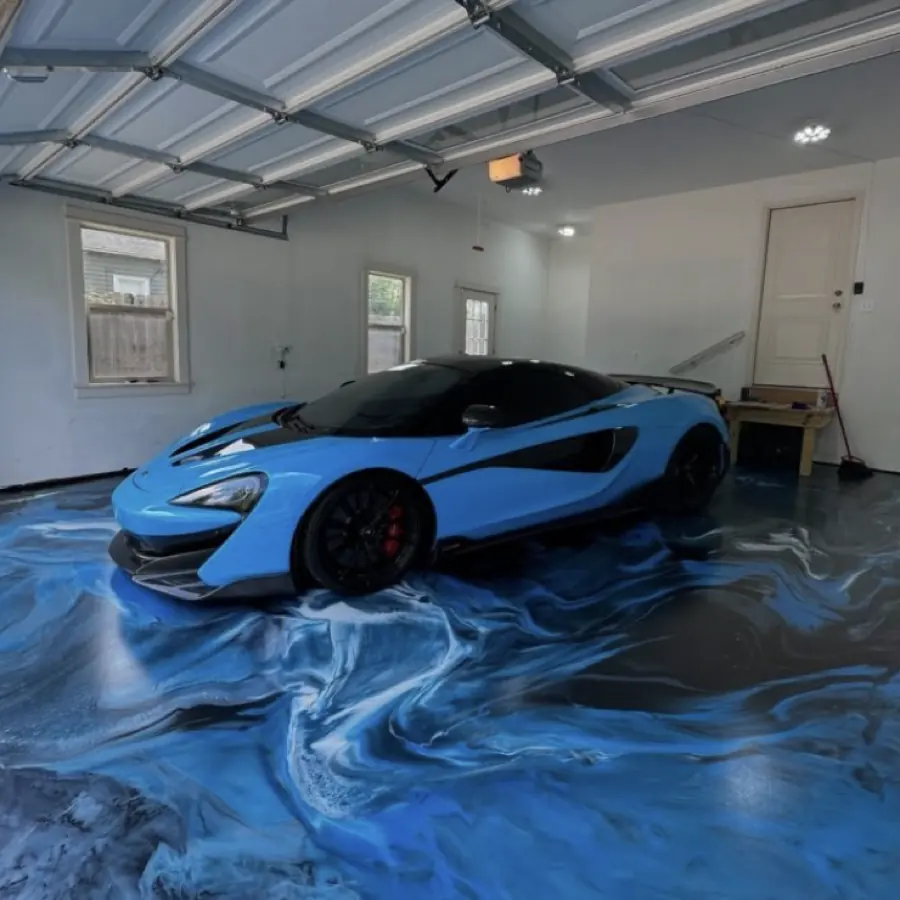
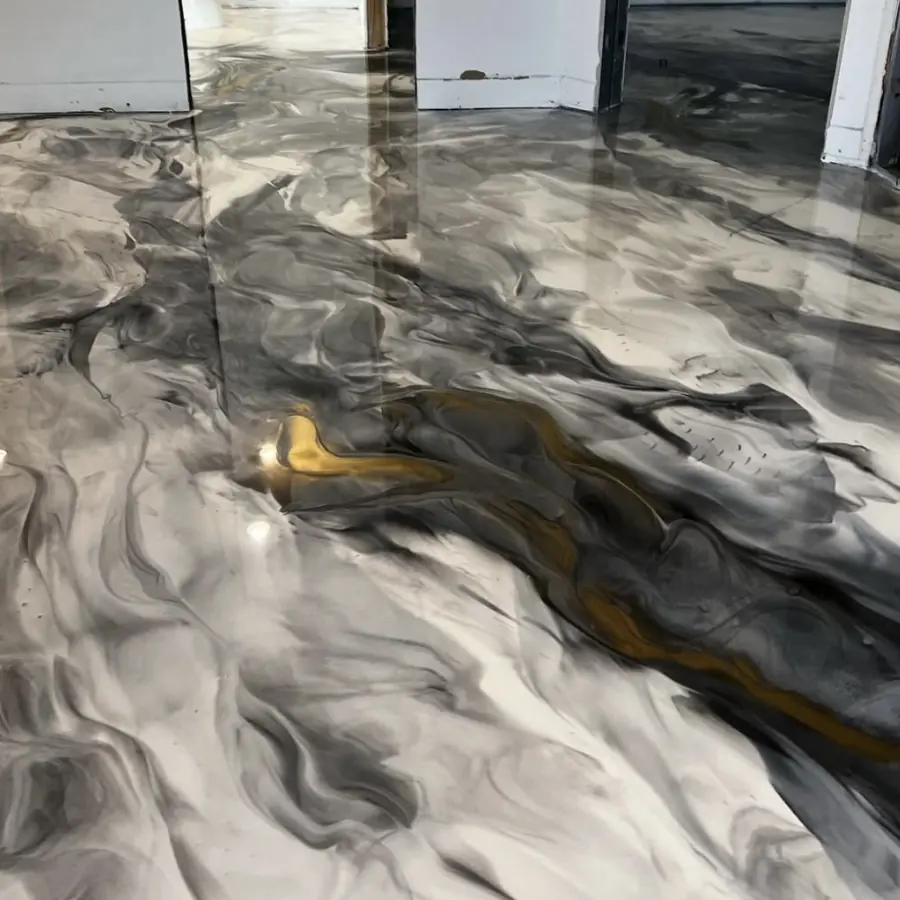
thousands. Metallic epoxy and large commercial floors run
higher. We confirm a fixed price in writing after the
walkthrough - no surprises on the day.
How long does an epoxy garage floor take to install?
Most residential garages are ground, coated and done in one to
two days. You can usually walk on it the next morning and park
on it within three to five days, depending on the system and
the weather.
Do you have to grind concrete before applying epoxy?
Always. Diamond grinding is the difference between a coating
that lasts a decade and one that peels in a season. Anyone
quoting you an acid wash instead is quoting you a repair job
two years out.
What warranty comes with a NEXT floor?
Fifteen years, in writing, on every floor we put down. It
covers the bond and the finish - the two things that decide
whether a floor is still worth looking at in a decade.
Will an epoxy garage floor peel, yellow or stain?
Our topcoats are UV stable and chemical resistant - hot tyres,
road salt, brake fluid and oil all wipe up. The finish is
rated for both residential and commercial traffic.
Which Bay Area cities do you serve?
Walnut Creek, Danville, Alamo, San Ramon, Lafayette, Orinda,
Moraga, Pleasanton, Dublin, Livermore and Concord - plus
commercial work across the wider Bay Area.
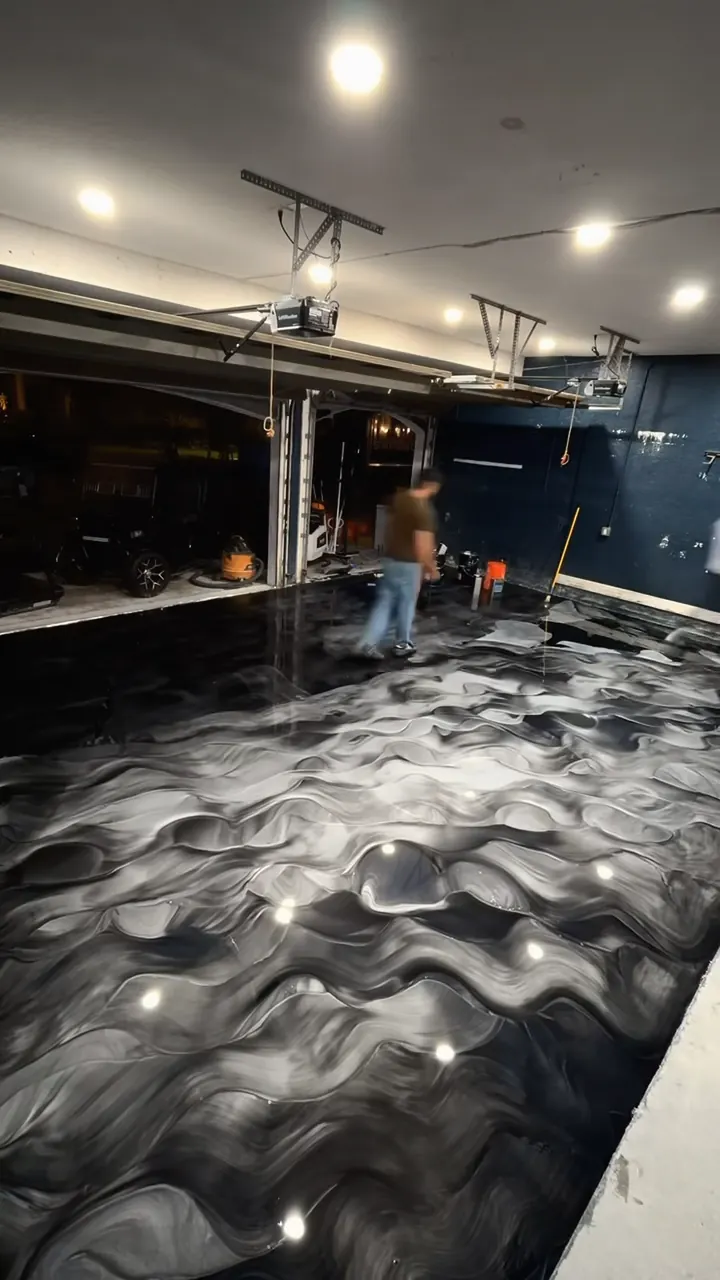
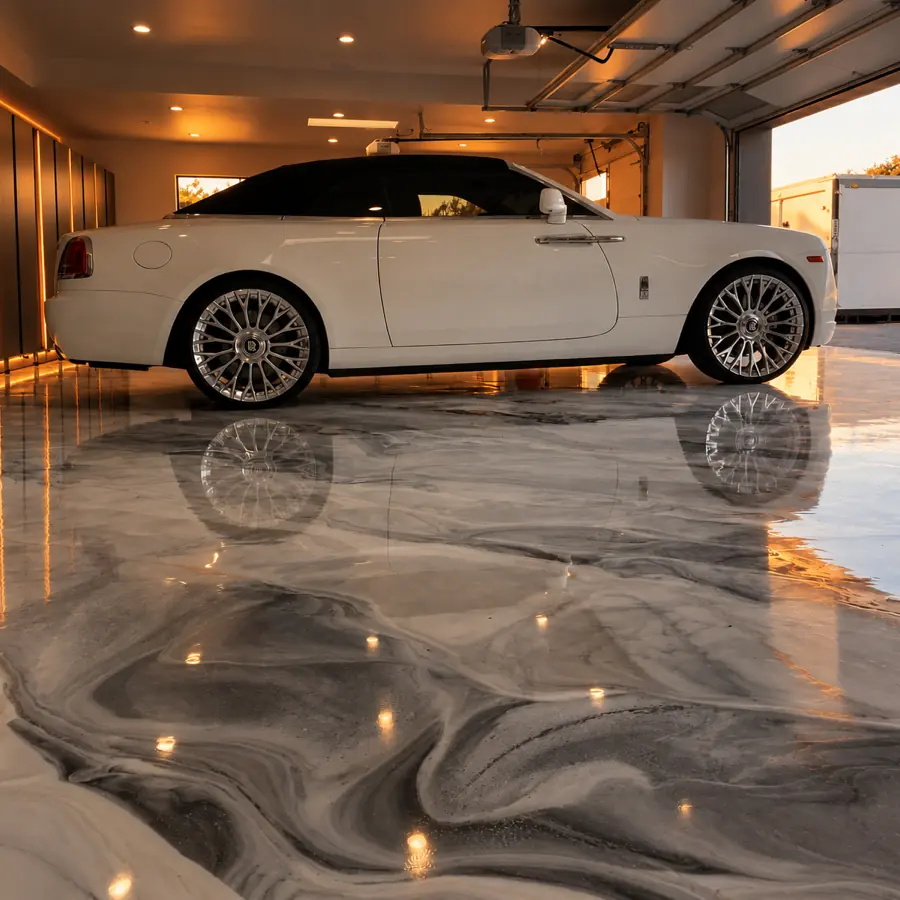
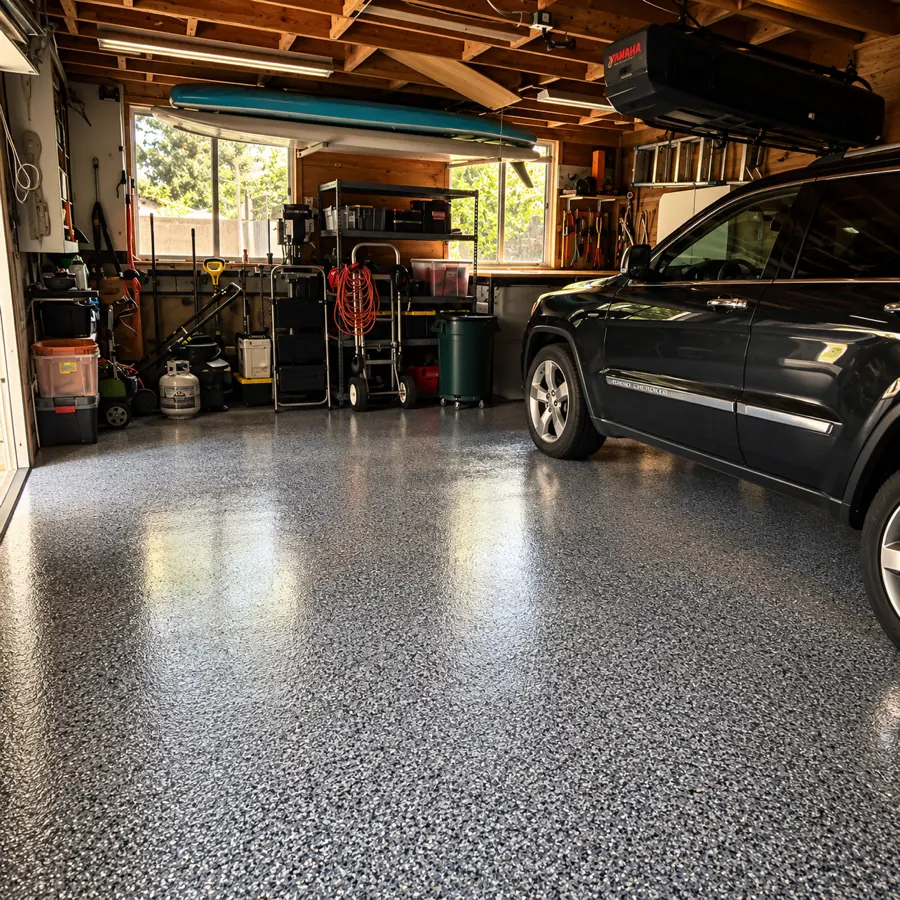
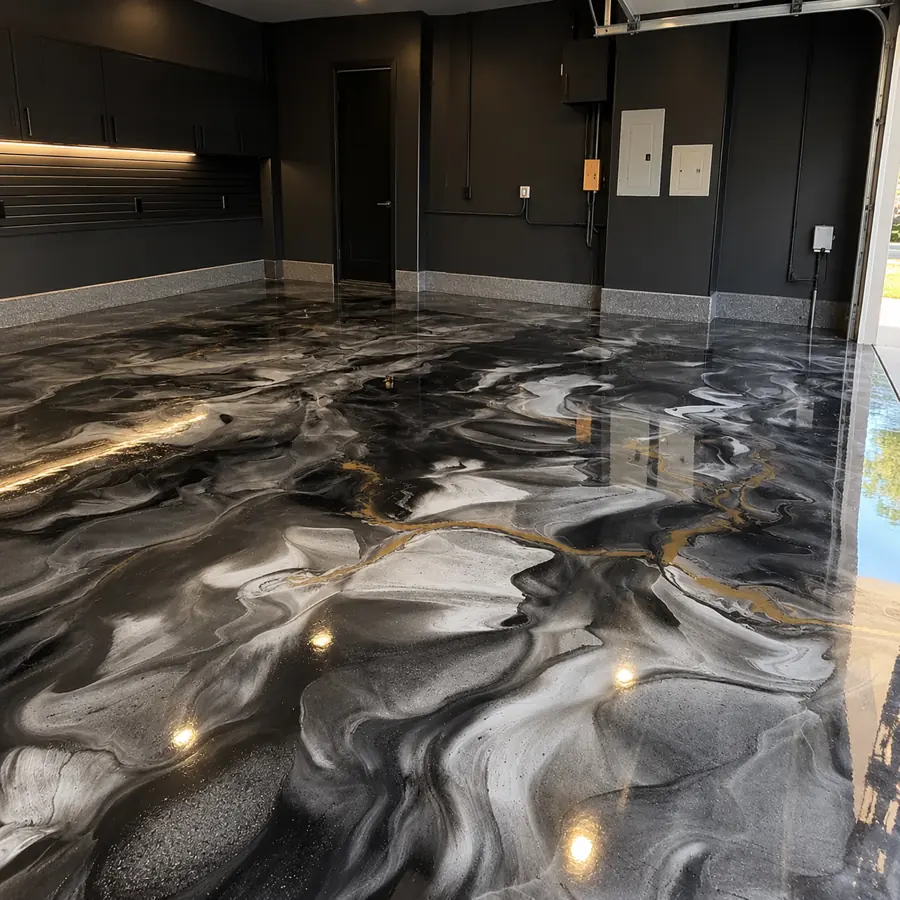
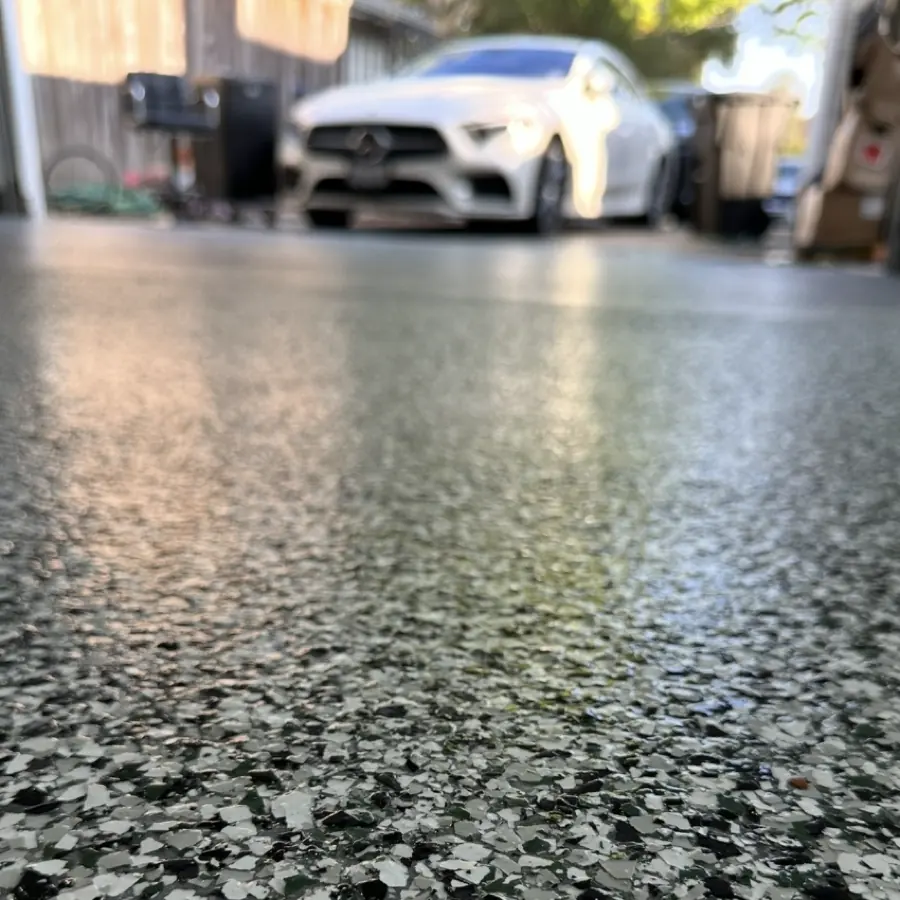
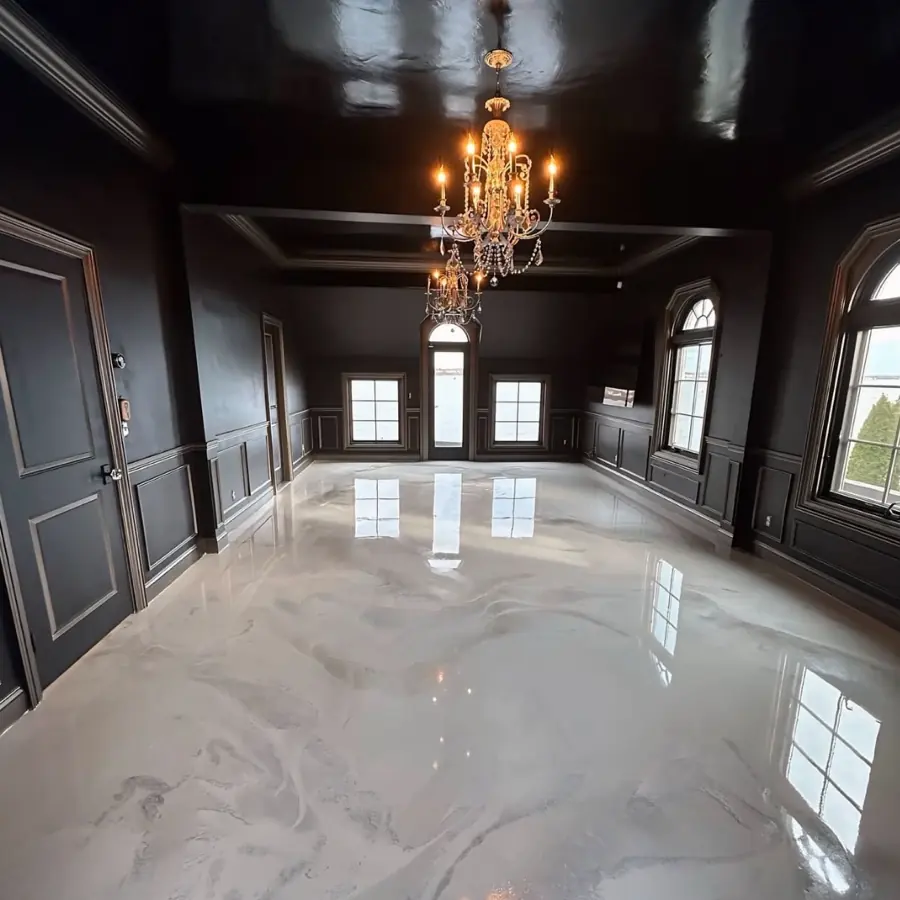
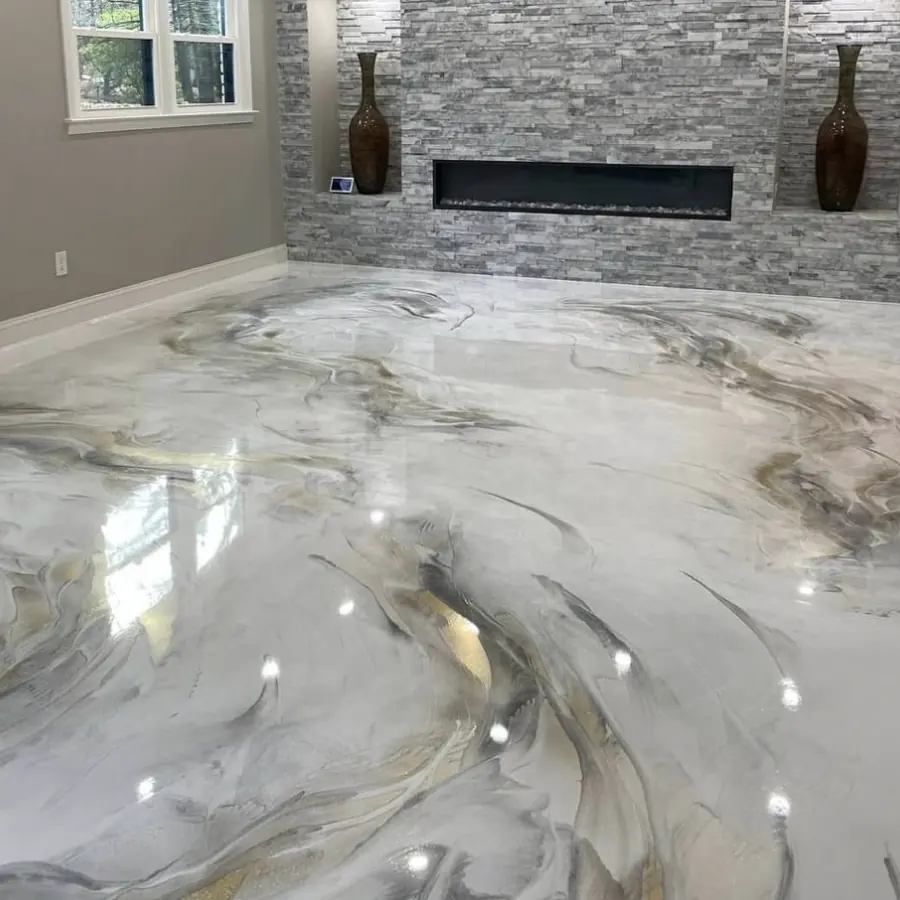
What is the difference between epoxy flake and metallic epoxy?
Flake and metallic are different finishes, not different grades.
Flake is a broadcast system: coloured vinyl chips are thrown
into a wet base coat until the floor is covered, then locked
under a clear topcoat. The chip leaves texture, so the floor
stays grippy when wet and hides dust and tyre marks. Metallic
is a pigmented pour worked while it is still wet, so the
pattern marbles and no two floors come out alike - a smooth,
high-gloss finish. Flake is the safer choice for a working
garage. Metallic is what people choose when the garage is
part of the house.
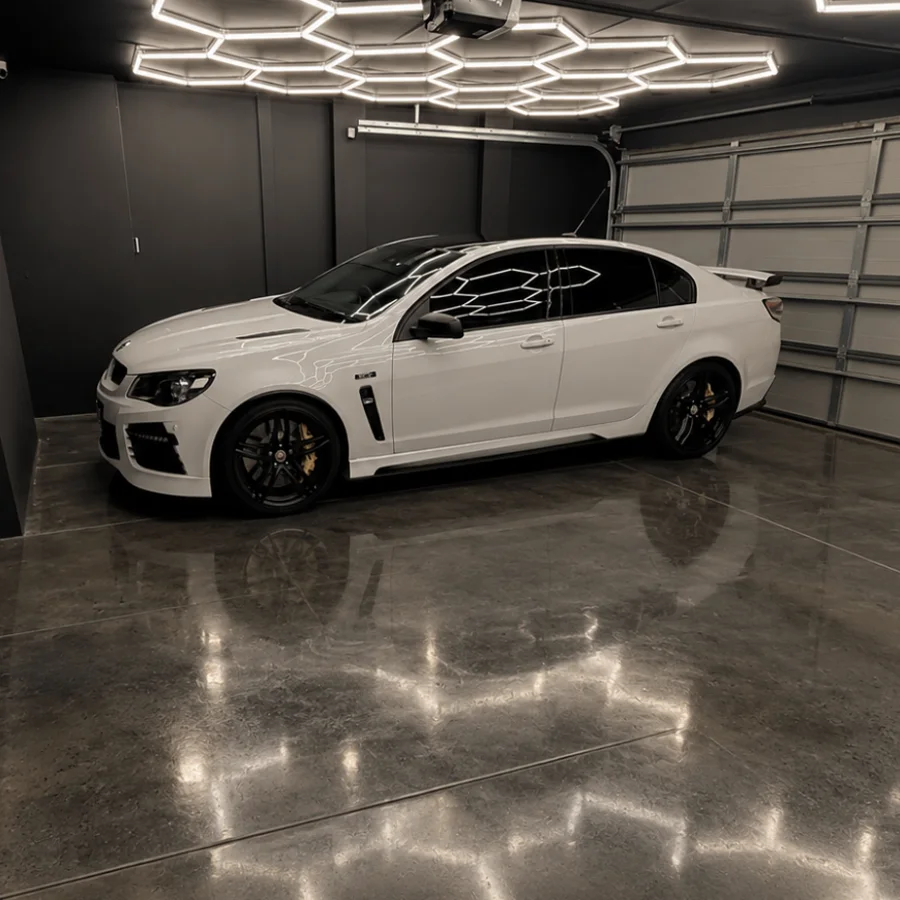
Is polished concrete better than epoxy for a garage floor?
Neither is better across the board; they fail in different
directions. Polished concrete is your existing slab ground and
densified rather than coated, so there is no film on top and
nothing to peel, chip or delaminate - but it needs a slab worth
polishing, and heavy cracking, patching or an old coating
usually rules it out. Epoxy builds a new surface over the slab,
so it can cover a tired floor and it can be any colour or
pattern you want. Sound concrete and you want the lowest
maintenance floor: polish it. Marked-up slab, or you want
colour: coat it.
How long does an epoxy garage floor last?
A properly prepared coating lasts a decade or more, and the
preparation decides it rather than the product. What people
describe as "the epoxy peeled" is almost always a bond failure
on a slab that was acid washed instead of ground, so the
coating never keyed into the concrete. We diamond grind every
slab, and we warrant the bond and the finish for fifteen years
in writing.
Do I need to empty my garage before you start?
Yes. The slab has to be bare before grinding starts, so anything
standing on the floor needs to move out - cars, shelving,
freezers, gym equipment. Anything fixed to the wall can
usually stay. If the garage is packed, say so at the
walkthrough and we will work out the order with you.
Can you fix a garage floor that is already peeling?
Yes, and it is a common job. A failing coating has to come off
before anything new goes down, which means grinding the old
material back to clean concrete rather than coating over it.
That adds time to the first day. It is worth finding out what
caused the first failure, because a floor that lifted from
slab moisture will do it again unless the concrete is tested
and the right primer goes down.
How do I get a quote for a garage floor?
Text or call (970) 980-4488, or answer four questions on the
quote page and we will come back with a number. Either way
there is a free walkthrough before anything is priced, and the
price you agree is fixed in writing before work starts.